ByteAsk Is Betting on Specialized AI Coding Agents for C and C++
A new $1 million-backed startup is targeting reliability-heavy software where generic coding copilots face harder constraints.
 Kirtesh··4 min read·360 words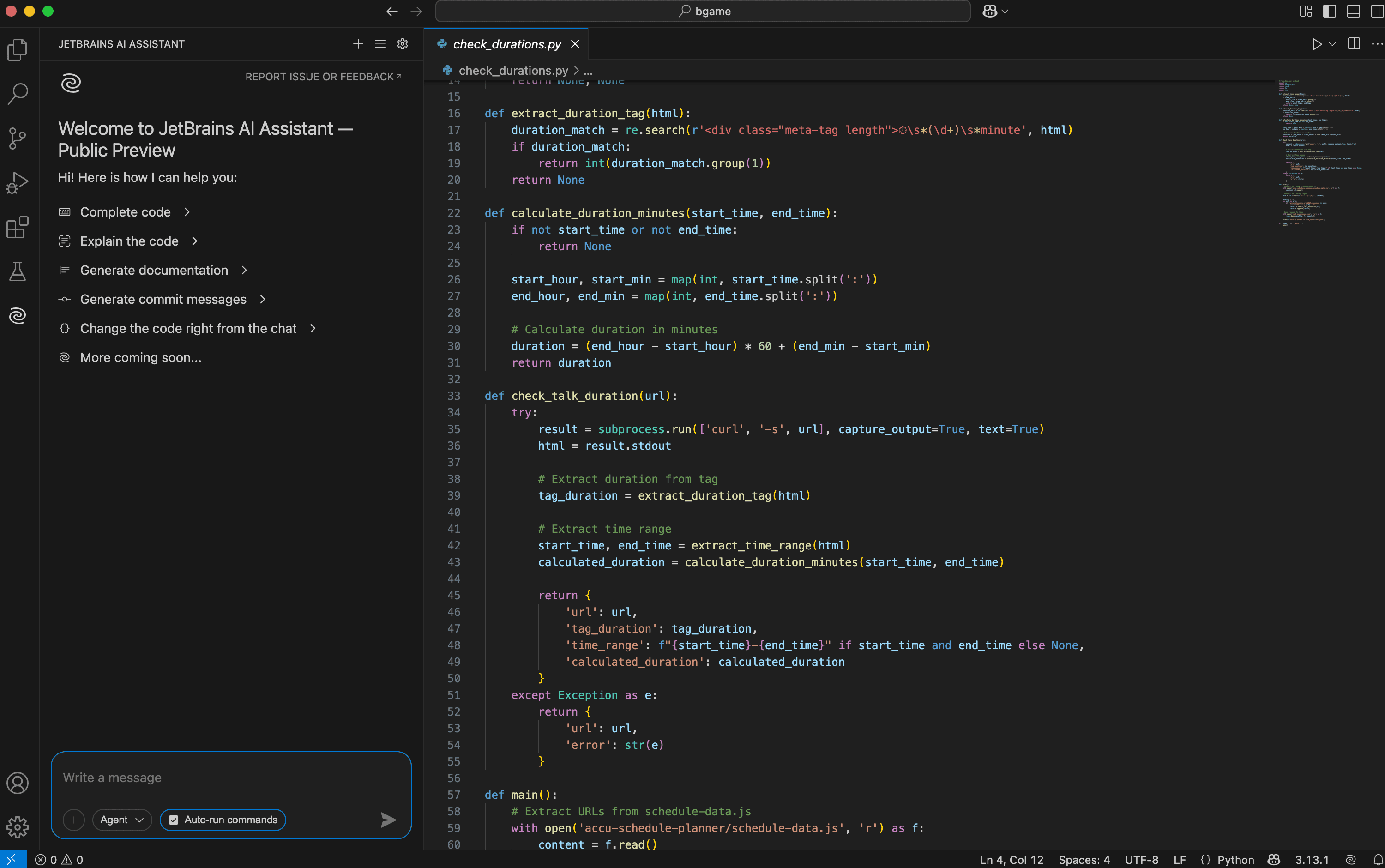
Image: JetBrains
ByteAsk, founded by two IIT Delhi graduates, has raised $1 million in pre-seed funding for an AI coding startup focused specifically on C and C++ development.
ByteAsk is taking a specialized approach to AI coding. The startup, founded by IIT Delhi graduates Anirudha Kulkarni and Pratyush Saini, has raised $1 million in pre-seed funding for AI coding agents focused on C and C++ developers.
The founders previously built LawSutra AI and are now targeting software where reliability, performance, debugging, testing, legacy code and hardware dependencies matter.
Why specialize?
Generic coding assistants increasingly support C and C++, but language support is not the same as workflow specialization.
A C++ engineer may need an agent that understands large legacy repositories, compiler and linker failures, memory safety constraints, performance regressions, hardware-specific behavior, test harnesses, build systems and low-level debugging.
A focused product can build differentiation around those workflows rather than trying to win across every programming language.
The indie-founder lesson
Instead of asking how to build a better general coding model, ask which expensive workflow has constraints that generic AI products handle poorly.
A specialized agent can potentially charge for reliability, integration and workflow outcomes rather than raw model access. The underlying models may remain commodities while the product owns the context around a specific job.
Where the moat can form
Operational data is one potential advantage. If an agent repeatedly works with real C and C++ repositories, the product can learn which compiler failures recur, which tests matter, which changes introduce regressions and which fixes survive validation.
The workflow becomes:
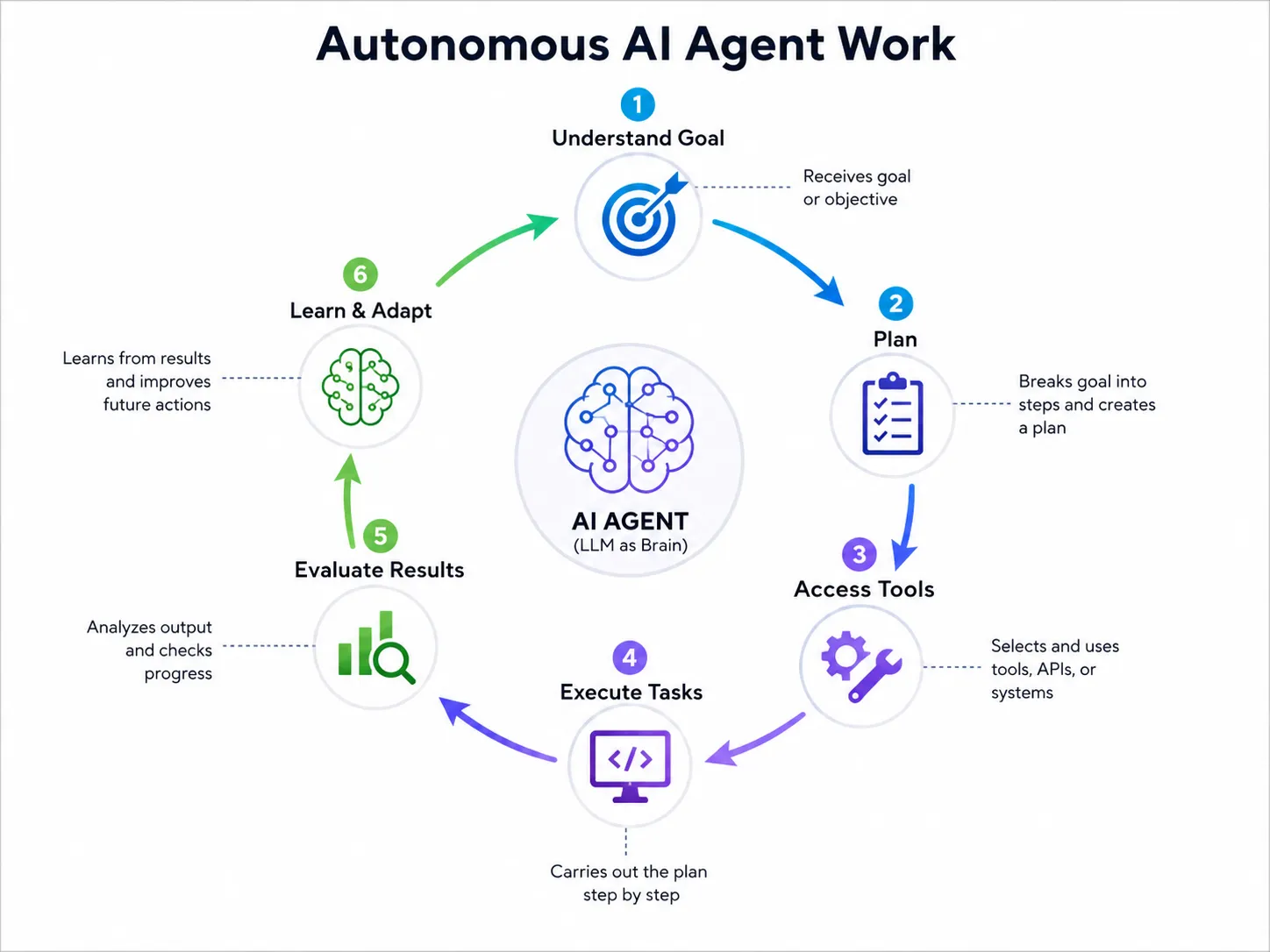
repository -> agent plan -> patch -> build -> tests -> diagnostics -> validated patch
That is much closer to an engineering system than autocomplete.
What founders should copy
Look for workflows where:
- The work is expensive.
- Errors are measurable.
- Context is highly specialized.
- Generic AI tools require substantial human correction.
Legal research, compliance operations, financial reconciliation, scientific analysis and infrastructure debugging can have similar characteristics.
The risk
Specialization can make the market too small. Founders should validate the number of high-value users before investing heavily in proprietary infrastructure.
Bottom line
ByteAsk illustrates a broader 2026 AI startup pattern: do not compete with general-purpose AI on breadth if you can win on workflow depth.
Sources
Written by
Kirtesh
Founder
Kirtesh is a software engineer, indie hacker, and tech analyst writing on bootstrapped micro-SaaS, autonomous AI agents, cloud architectures, and the mechanics of building profitable software businesses.