Cold Outreach for Indie B2B SaaS Without Burning Your Domain
A practical cold email system for solo founders: list quality, personalization that scales, deliverability basics, reply handling, and when to stop.
Cold outreach still works for indie B2B SaaS when the list is narrow, the message is specific, and volume stays within what one person can handle honestly. It fails when founders buy generic lists, send the same pitch to thousands of addresses, and treat every non-reply as a reason to send more of the same.
This is a operating guide for a solo founder—not a growth-agency playbook.
Start with a problem-shaped list, not a role-shaped list
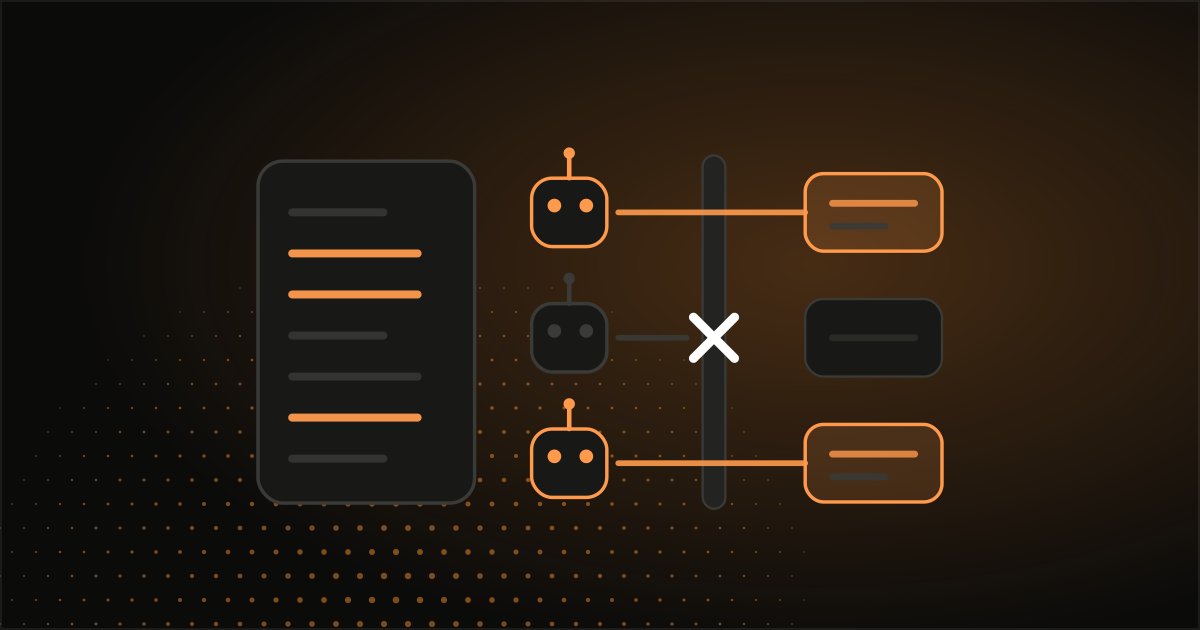
“All CTOs at Series A companies” is not a list. A usable list answers: who already feels the pain your product reduces, and where can you see evidence of that pain?
Examples of sharper targeting:
- Teams posting job ads that mention a manual process your tool replaces.
- Companies using a complementary tool whose public integrations or directories imply the gap you fill.
- Operators who wrote about the exact workflow in a blog post, podcast, or community thread.
Build the first 50–100 rows by hand. If you cannot write one true sentence about why this company might care, do not email them yet.
Personalization that is real but not theatrical
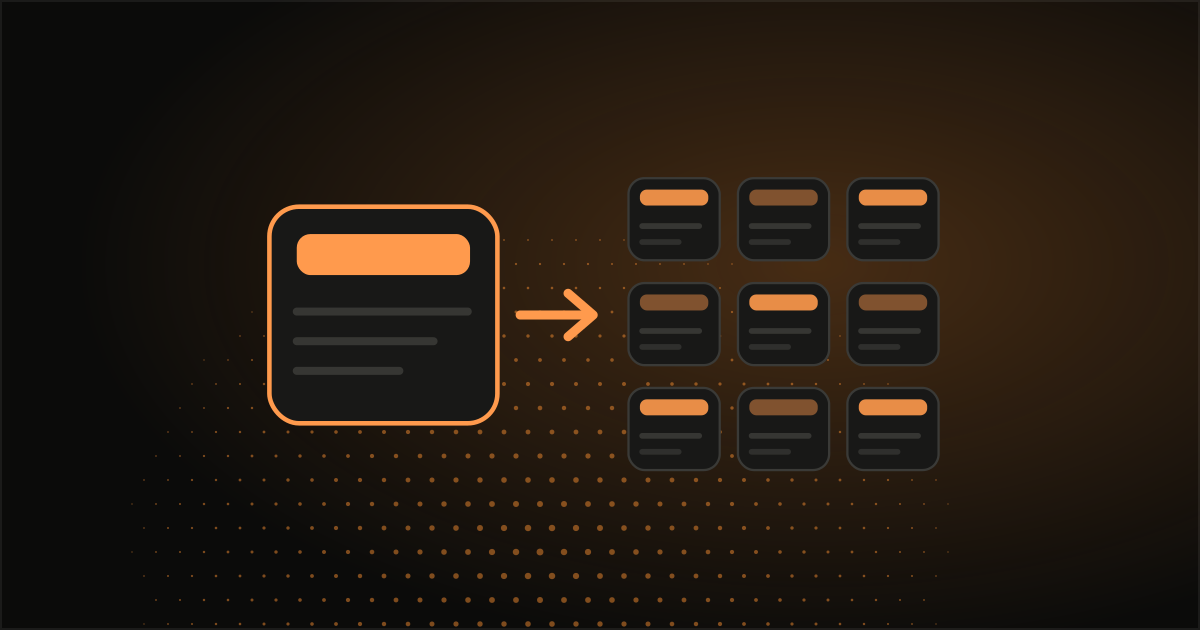
You do not need a novel about each prospect. You need one concrete observation and one clear offer.
A durable structure:
- Observation — something specific you noticed (a hiring post, a changelog, a product limitation, a public metric).
- Relevance — how that connects to the job your product does, in one sentence.
- Proof — a short result, customer type, or before/after that is true.
- Ask — a low-friction next step (15-minute call, reply with “interested,” or a link to a relevant page—not a 12-slide deck).
Avoid fake familiarity (“Loved your recent post…” when you have nothing specific to say). Empty flattery is easy to detect and trains spam filters on bad engagement patterns.
Volume: quality first, then a sustainable daily cap
For a new domain or mailbox, start low. Many solo founders do better with 10–20 highly researched emails per day than with 200 templated ones. Increase only when reply rates and bounce rates look healthy.
Track at minimum:
- Bounce rate (keep it very low by verifying addresses).
- Reply rate (positive, neutral, and negative).
- Meeting or trial conversion from replies.
If bounce rate rises, stop and fix the list before sending more. High bounces damage domain reputation faster than low reply rates do.
Deliverability basics you should not skip
- Use a domain you control; prefer a subdomain or a secondary domain for cold mail if your primary domain is critical for transactional product email.
- Set SPF, DKIM, and DMARC correctly.
- Warm a new mailbox gradually; do not blast from a fresh domain on day one.
- Avoid link shorteners and heavy image-only emails.
- Include a clear identity and a real way to opt out; honor unsubscribe requests immediately.
Laws and rules differ by country. If you email into the EU, UK, or other regions with strict marketing rules, learn the requirements that apply to your situation or get advice. “Everyone else does it” is not a compliance strategy.
Follow-ups: short, spaced, and finite
One or two follow-ups are often enough. Space them several business days apart. Each follow-up should add a new detail (a different use case, a tighter proof point), not “just bumping this.”
After a firm no, stop. After silence through your sequence, stop. Persistence is not the same as ignoring boundaries.
Handle replies like product work
Positive replies deserve fast, human responses. Neutral “send more info” replies deserve a single clear page or a short Loom—not a dump of every feature.
Objections are data. When several prospects say the same thing (“we already built this internally,” “too expensive for our stage,” “need SSO”), write those down. They may change pricing, packaging, or positioning more than another feature sprint will.
When to pause outbound
Pause or narrow outbound when:
- You cannot explain the ICP in one sentence.
- Activation in the product is broken for the people who do book calls.
- Support and onboarding cannot handle more trials.
- Bounce or spam-complaint signals are worsening.
Outbound amplifies what the product already is. It does not fix a weak activation path.
A one-week experiment plan
- Define one ICP and one offer (trial, pilot, or demo) with a clear success criterion.
- Build 40 hand-researched contacts.
- Write one core email and one follow-up; keep both under a short screen length.
- Send a small batch per day; log bounces and replies in a simple sheet.
- At the end of the week, keep only the lines and segments that earned real replies; discard the rest.
Cold outreach is a skill and a system, not a growth hack. The founders who sustain it treat list quality and reply handling as part of the product loop—not as a separate spam channel.